


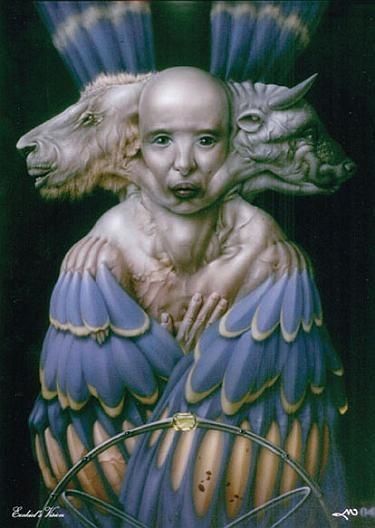
The Book of Revelations Chapter 5
Chapter 5
Verses 1-3
(1) John shifts his focus to the scroll held by the Lord. Normally, scrolls were written on only one side, but this one was written on both—showing it contained far more information than usual. The Book of Revelation itself would fill a scroll about 15 feet long.
When a scroll was finished, it was tied with strings and the knots sealed with wax. This scroll, however, had seven seals—seven strings wrapped around it, each sealed with wax. Under Roman law, official wills were sealed seven times, as seen in the wills of Augustus and Vespasian.
But what exactly is this scroll? Interpretations vary:
Some say it represents the Old Testament, or both Old and New Testaments together, or fulfilled prophecy.
Others suggest it is God’s claim of divorce against Israel, though there is little scriptural evidence for that view.
Some believe it is God’s judgment against the enemies of the church—perhaps true in a limited sense.
Many, however, see it as the title deed to the earth. This view is especially powerful, since God the Father is about to hand the title deed to His Son, Jesus Christ. The breaking of the seals will unleash God’s plan for judgment, but it also means there will still be one final opportunity for the people of the earth to repent and be saved before Christ takes full possession of His kingdom.
(2-3) We don’t know who this angel is—some suggest Gabriel, but Scripture doesn’t say. What we do know is that John emphasizes the angel’s strength and authority. It is as if this mighty angel searched the entire universe for someone worthy to open the scroll, yet no one was found.
(4-5) John wept—perhaps fearing God’s promise to reveal the future had ended, or that history’s completion and Jesus’ return would be delayed forever. Then an elder told him to look for the Lion of Judah, the Messiah. But instead of a lion, John saw a Lamb.
When men choose symbols of power, they turn to fierce beasts or birds of prey—like those used by nations and sports teams. Heaven, however, chooses a Lamb: the picture of humility, gentleness, and sacrificial love. For believers, Jesus will always be the Lamb full of love. But for unbelievers, when He comes in judgment, they will see Him as the Lion in all His power.
(6) John saw a Lamb as though it had been slain. Here we are clearly introduced to Jesus, now revealed as the Lamb. From this point forward in Revelation, Jesus is called ‘the Lamb’ 19 times. He wants to be known this way—the One who died for the sins of the world.
This is important because in the Old Testament the only way sins could be atoned for was through the sacrifice of a lamb. God graciously provided this system: an innocent animal could take the place of a guilty person.
When its blood was shed, it temporarily appeased the wrath of God and covered sin—until the day when a perfect and permanent Savior would come. That Savior is Jesus—the Lamb of God who died once for all, offering Himself as the final sacrifice for the sins of the whole world.
The description of the Lamb is unusual— having seven horns and seven eyes, which are the seven Spirits of God, but this is symbolic. In Scripture, the number seven represents perfection. Horns symbolize power, and eyes represent wisdom and knowledge. Together, this paints the picture of Jesus as all-powerful (omnipotent) and all-knowing (omniscient).
(7-10) No created being was found worthy to take the scroll—but the Lamb could, because of His work on the cross. As He takes the scroll, the elders and the four living creatures fall down in worship, each holding a harp more like a zither-like instrument, played by hand or with a pick and golden bowls full of incense, which represent the prayers of the saints. This image is what gave rise to the idea of people in heaven playing harps on clouds.
Psalm 141:2 says, ‘Let my prayer be set before You as incense, the lifting up of my hands as the evening sacrifice.’ Verse 8 echoes that picture, reminding us that every prayer of God’s people is precious to Him. They are kept in heaven, like sweet incense before His throne. None of our prayers go unnoticed or unrecorded by the Lord.
It’s also important to see what this passage does not say. The elders are not interceding for believers or acting as mediators and this in no way supports the practice of praying to saints. Instead, the focus is on how valuable our prayers are to God—so much so that He keeps them in golden bowls in His very presence
(11-14) John then describes an overwhelming scene—millions upon millions of angels surrounding the throne. He is clearly awestruck by the sheer number of them, and we can only imagine the sound as their voices rise together in song, filling heaven with worship.